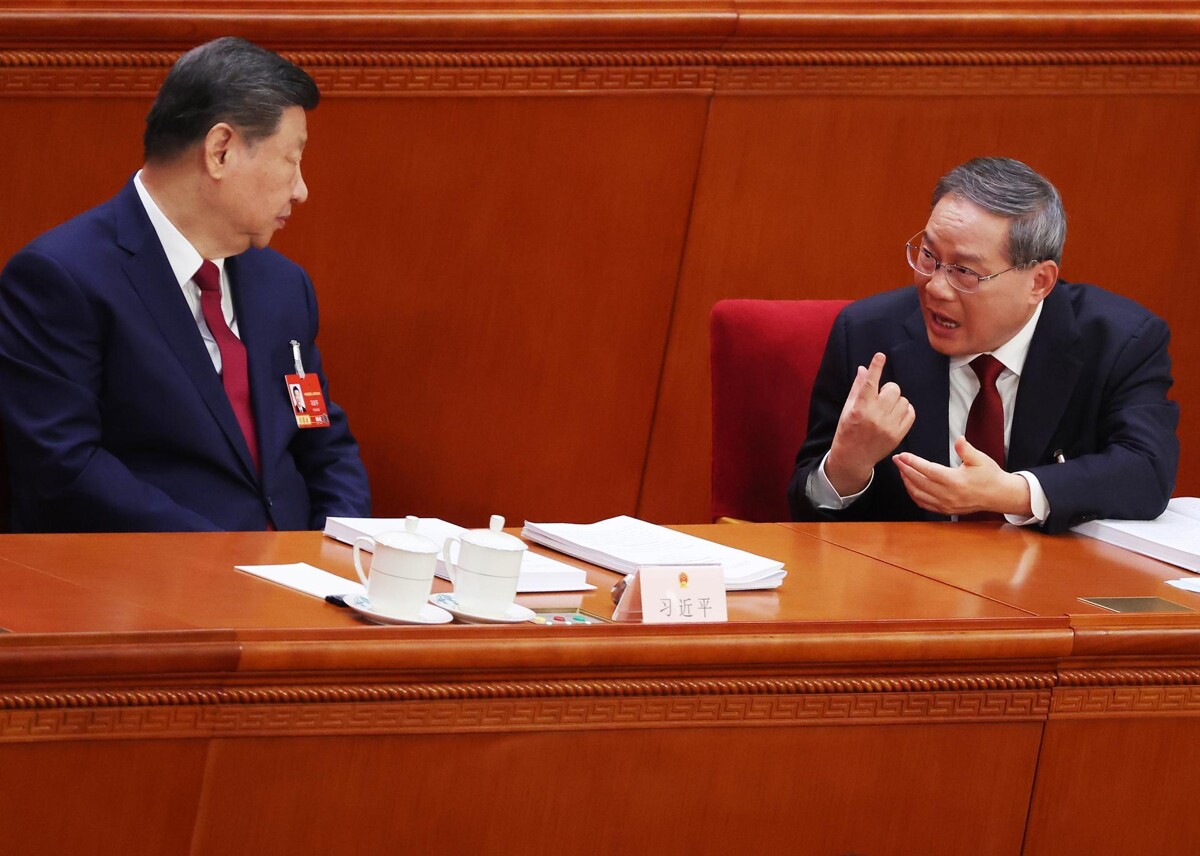
China has approved new rules to counter measures taken outside its territory that harm its interests. These rules reinforce provisions already introduced in 2021 and now carry more weight within the new legal framework. The rules could put companies with international operations in a difficult position, forcing them to choose between complying with sanctions from other countries or adhering to Chinese law. It also contemplates the creation of a list of entities considered 'malicious,' which would face restrictions in trade, investment, or entry into the country. The text states that affected companies and citizens can go to court to claim compensation for damages. In recent years, Beijing has criticized the use of unilateral sanctions, especially in areas like technology, investments, and energy trade. All of this occurs at a tense time for global trade, marked by conflicts affecting strategic routes, oil supplies, and key points like the Panama Canal, as well as regulatory and technological disputes that are pressuring the international economy. China approved new rules to face measures taken outside its territory that harm its interests. The decision comes amid a tense environment of sanctions, trade disputes, and conflicts affecting global security and supply chains. The new regulation authorizes the Government to take countermeasures in trade, investment, entry and exit of persons, and international cooperation. According to Beijing, these actions aim to respond to decisions by other countries that violate international law or harm its citizens and companies. Premier Li Qiang signed the State Council decree that enacts the regulation, composed of 20 articles and in effect since its publication. The objective is to protect the sovereignty, security, and development interests of China, according to the official Xinhua agency. The document also opens the door for the country to exercise jurisdiction over certain conduct outside its territory if it affects its interests. This expands the legal mechanisms to react to decisions made abroad with a direct impact on China. Furthermore, the rule makes it clear that no organization or individual can collaborate with foreign measures without explicit authorization.