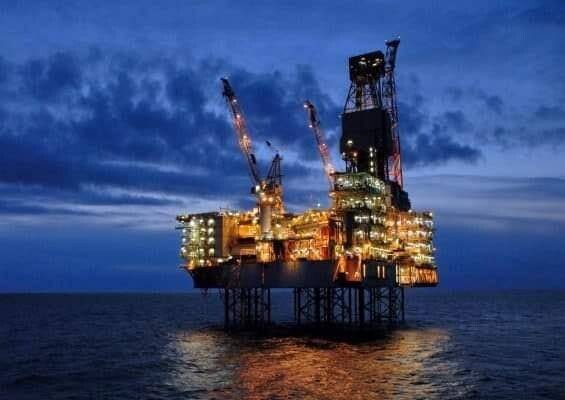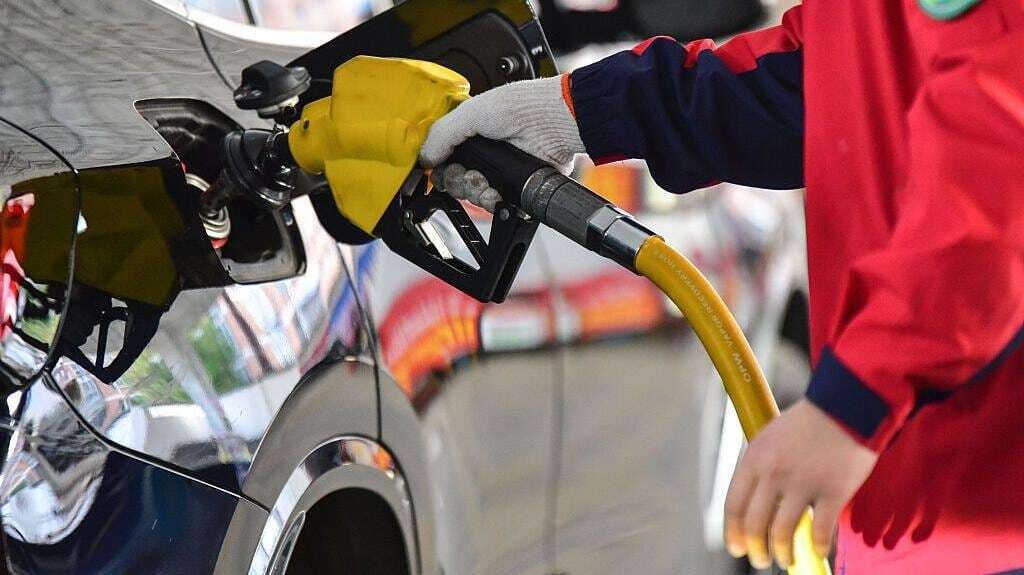
The state has activated a contingency fund of US$100 million to protect consumers and strategic sectors for a duration of 10 months. The consequences of the geopolitical energy crisis will continue to affect the global economy and supply for years, as many oil export facilities have been destroyed or damaged, hindering the recovery of their productive capacity. Meanwhile, activity in its refineries has decreased, but imports have been maintained. China seeks to achieve self-sufficiency in oil and gas to replace current imports that amount to around eleven million barrels per day. As the largest importer and second-largest consumer of oil in the world, the country has implemented a silent and deliberate strategy to create an energy shield that will allow it to face any geopolitical crisis. This energy strategy has consisted of establishing a large accumulation of crude oil in reserve tanks distributed throughout its territory. To contextualize the impact, the following are the recent average consumer prices for a liter and a gallon in different places: Consumer gasoline prices are determined mainly by four cost components: crude oil, refining, distribution, and taxes, which vary according to local government policies. In Panama, the selling price at gas stations includes 7% of the ITBMS, plus the Selective Consumption Tax, which varies according to the octane rating that is dispensed. In this context, China continues to strengthen its energy policies on all fronts, advancing towards independence from oil imports and energy self-sufficiency. The author is a citizen. More than half of the new vehicles sold in the country use these technologies, which helps protect consumers from current fluctuations in the oil market. Thanks to its effort in the energy transition, the country has positioned itself as a world leader in the production and use of renewable energies such as photovoltaic, wind, and tidal. To this end, it has invested significant resources in the exploration of deposits in non-traditional regions, using technologies developed by national engineers. China has managed to accumulate around 75% of global crude reserves, which constitutes an energy shield that supports domestic consumption without the need to import for several weeks, while also strengthening national production. It is the largest producer, exporter, and installer of solar panels, wind turbines, batteries, and electric vehicles, which are key elements for the energy transition. These reserves, both commercial and for emergencies, have been filled over the years, taking advantage of periods of low market prices to buy, which has allowed storing approximately two weeks of its import volume. Recently, China discovered a deep and highly productive deposit under more than 5,000 meters of the surface of the South China Sea, adding nearly thirty billion barrels in proven reserves, according to the oil company CNOOC. The purpose is to reduce costs so that the consumer has access to lower prices, in addition to contributing to environmental protection. Furthermore, the company has bet on the development of advanced exploration technologies to access deposits previously considered inaccessible, bringing the country closer to self-sufficiency, crucial for its development. China has continuously strengthened its renewable energy projects through substantial investments and the backing of technological innovation. The objective is for investment and foreign currency to remain in the country, avoiding capital flight. Currently, more than half of China's electricity comes from fossil fuels, while the rest is generated from clean sources: hydroelectric contributes approximately 14%, solar and wind 11%, nuclear nearly 5%, and biofuels a little over 2%. The proliferation of electric and hybrid vehicles in China has considerably influenced the reduction in gasoline consumption, reflected in a lower demand for oil. This confrontation has been marked by a lack of respect for human rights and statements that incite extreme violence, such as threats to 'erase an entire civilization from the map.' Unlike the countries directly involved in the conflict and other international actors, China has prepared over the last twenty-five years to reduce its vulnerability to a possible prolonged disruption in the oil supply. Gasoline with 91 octane pays approximately $0.60 per gallon; 95 octane pays $0.75 and diesel $0.25. The conflict generated by unilateral actions between the United States and Israel has produced negative effects worldwide, impacting all nations without exception.