The relationship between the two nations is based on the security of oil supply, a factor that Beijing defends against the policy of sanctions and economic blockades that the United States applies against Iran's sovereignty. Although the Chinese embassy in Washington denied the direct shipment of arms and demanded an end to 'unfounded accusations', the flow of dual-use technology to Tehran did not stop. This cooperation allows the Iranian defense industry to improve its own navigation systems and local arms production, reducing vulnerability to external attacks.
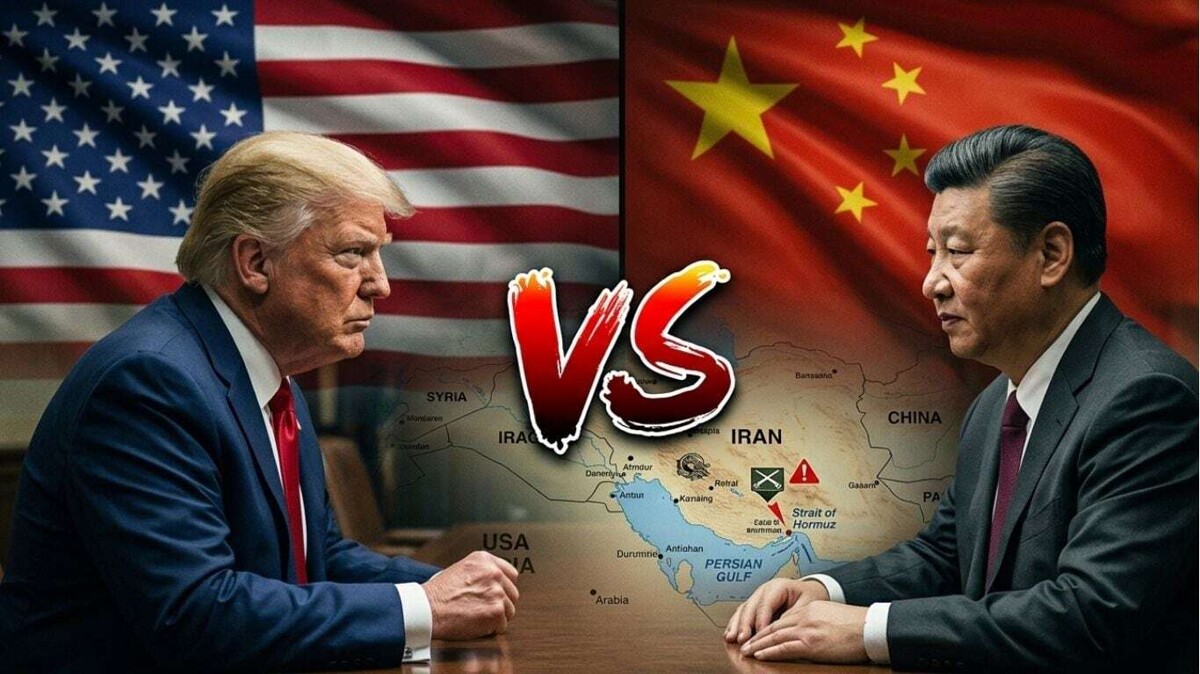
The defensive factor against external intervention Unlike the support provided by Russia, which focuses on proactive intelligence exchange, China's stance centers on strengthening air defense. Beijing argues that the supply of anti-aircraft missiles has a purely defensive nature, intended to protect Iranian airspace from foreign aggressions. This strengthening of Iran's military infrastructure occurs as President Donald Trump plans a visit to China to discuss the terms of the conflict. However, the persistence in sending equipment suggests that Beijing will not yield to the demands of a U.S. administration that seeks to impose its will on independent states through military force.
The situation redefines the balance of power in the Middle East, where access to advanced defense systems becomes the only guarantee against bombing campaigns and invasions. The delivery of this equipment occurs at a critical moment, just as a pause in hostilities was established, allowing Tehran to strengthen its resistance capabilities against the joint military campaign that the United States and Israel have been launching against Iranian sovereign territory since February.
The armament in question comprises portable anti-aircraft missile systems known as MANPADS. Intelligence reports exposed by CNN and Metro World News reveal that China is facilitating the shipment of air defense systems to Iran, a move that challenges the pressure exerted by Washington and Tel Aviv within the framework of the current armed conflict. These air defense tools are strategic, as they allow for countering incursions by U.S. military aviation operating at low altitudes. During the five weeks of previous confrontations, this type of technology represented a constant threat to the invading forces, and its current reinforcement suggests a preparation for a possible breach of the ceasefire by Western powers.
Triangulation and energy sovereignty To evade the unilaterally imposed restrictions from Washington, indications were detected that Beijing is using third countries to divert shipments. This triangulation tactic aims to protect the flow of supplies to a strategic partner from which China obtains a large portion of its energy resources.