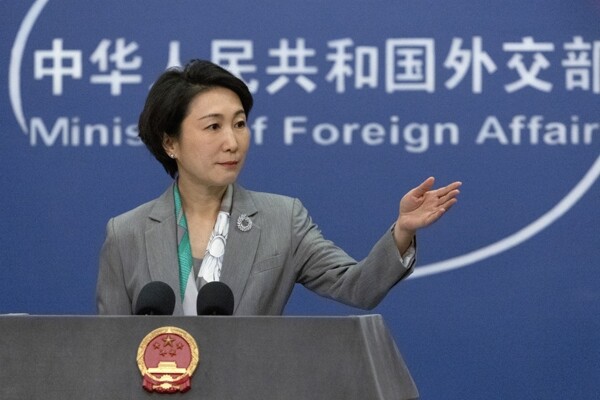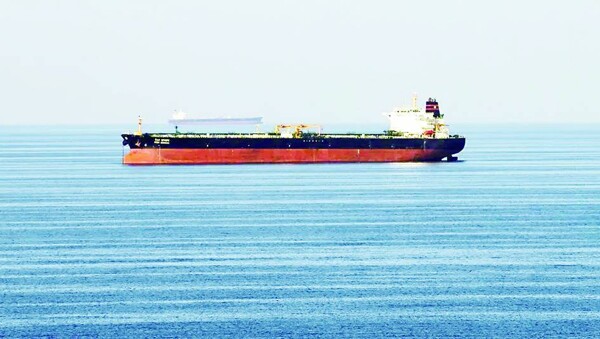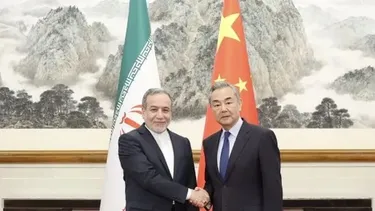
By strengthening its ties with the new leadership to be chosen by the Assembly of Experts in Tehran, China seeks to consolidate a multipolar bloc alongside Russia to serve as a counterweight to the NATO axis. China's stance is a delicate balance between rhetorical support and technical backing. Foreign Minister Wang Yi, in direct communication with his Iranian counterpart Abbas Araghchi, not only condemned the death of Supreme Leader Ali Khamenei but also described the actions of the Trump administration as an "unacceptable violation" of international norms. But what is really driving Xi Jinping to get so involved in this hornet's nest? While bombs from the United States and Israel shake the foundations of the Persian regime, China has stepped up to play hardball, assuring that it will defend the sovereignty of its strategic partner "no matter the cost." The risk for Xi Jinping is high, especially with the threat of new 25% tariffs signed by Donald Trump for Iran's trading partners, but the cost of losing its main ally in the Gulf seems, for now, to be much greater. Although Mao Ning, a spokesperson for the Foreign Ministry, insists on the "immediate cessation of hostilities," the reality is that Beijing is sending a clear message: it will not allow Iran to be wiped off the map. Amid the dust that has yet to settle after the Operation Epic Fury attacks, the Asian giant has set aside ambiguity. It is, in the words of some observers from Special Eurasia, a golden opportunity to "measure the stealth capabilities and naval tactics" of the United States Navy. Iran is a critical node in the Belt and Road Initiative. For Beijing, allowing a regime change driven by Washington would mean accepting a strategic defeat in its westward expansion. Beyond economics, support for Iran reinforces China's narrative as the "defender of sovereignty" against what it calls the "law of the jungle" imposed by Western powers. A fall of the regime or a total blockade of the Strait of Hormuz would put China's industrial machinery at risk. Recent intelligence reports suggest that Beijing is using the conflict as a testing ground. For Beijing, Iran is not just a supplier; it is a guarantee of energy security flowing through channels that bypass the dollar's financial system, using the Renminbi and the CIPS payment system. International analysts agree that this is not just a matter of "loyalty," but a complex web of interests that mixes energy survival with high-level geopolitics. The lifeline: It is no secret that China is the main customer for Iranian oil, buying about 80% of Tehran's exports. China's projected investments, which reach $400 billion in infrastructure and energy, depend on the stability of the Iranian state. By providing Iran with air defense systems, suicide drones, and cyber warfare technology, China gets invaluable real-time data on the effectiveness of American and Israeli weaponry.