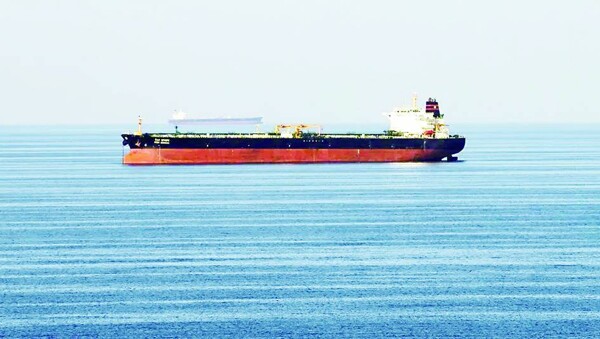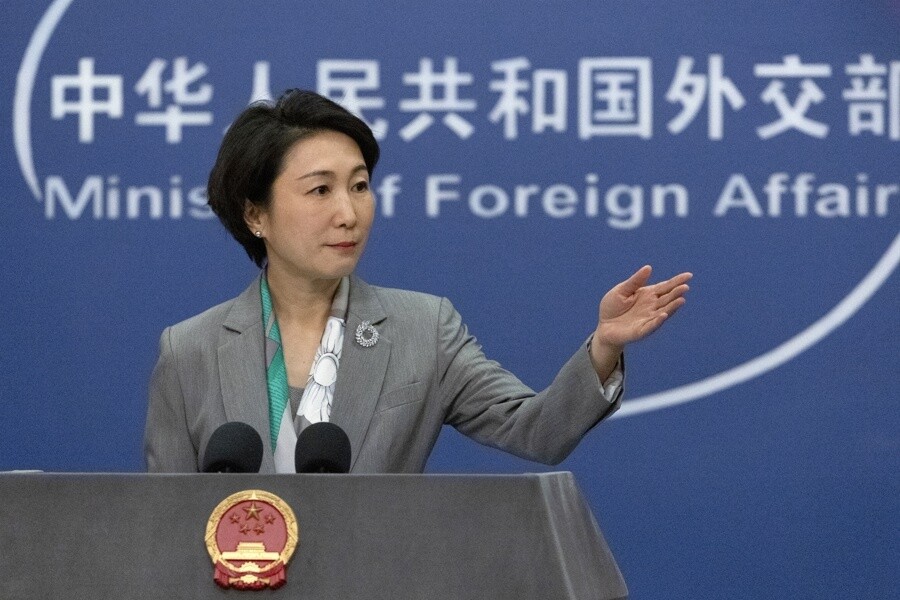
On Tuesday, China accused the United States and Israel of 'inciting a regime change' in Iran following attacks launched on February 28, calling the killing of the Islamic Republic's leader, Ali Khamenei, during the nuclear negotiations between Tehran and Washington 'unacceptable'. The spokesperson for the Chinese Ministry of Foreign Affairs, Mao Ning, reiterated at a press conference today that the US and Israeli offensive 'violates international law and the basic norms governing international relations'. Mao's statements follow the telephone conversations that the head of Chinese diplomacy, Wang Yi, held the day before with his counterparts from Iran, Oman, and France. Additionally, the spokesperson outlined China's position on the conflict along three axes: immediate cessation of military operations, return to dialogue, and opposition to unilateral actions, and insisted that Beijing supports Iran in defending its sovereignty, while taking into account the 'legitimate security concerns' of the Gulf countries. Regarding the nuclear issue, the Foreign Ministry spokesperson stated that China respects Iran's 'legitimate right to the peaceful use of nuclear energy' and maintained that the matter must return 'to the path of political and diplomatic resolution'. Asked about energy security and transit through the Strait of Hormuz, Mao urged to 'safeguard the stability and smooth flow of energy supply' and affirmed that China 'will take necessary measures to protect its own energy security'. China, Iran's main trading partner and its largest oil importer, condemned the death of Ali Khamenei during the Israeli and US offensive on Sunday. Since Saturday morning, Israel, together with the United States, has been bombing various positions in Iran, claiming to seek the destruction of its arsenals and ballistic missile production and to end the ayatollahs' regime.