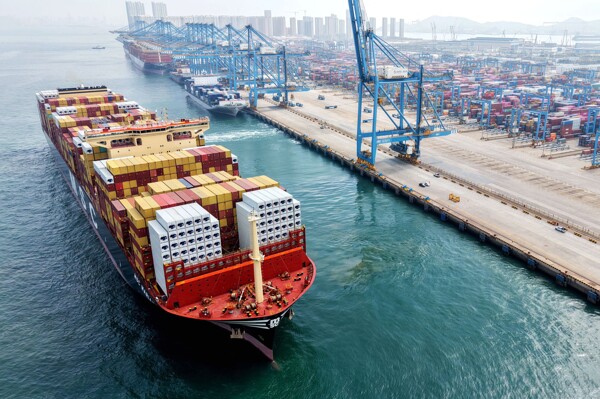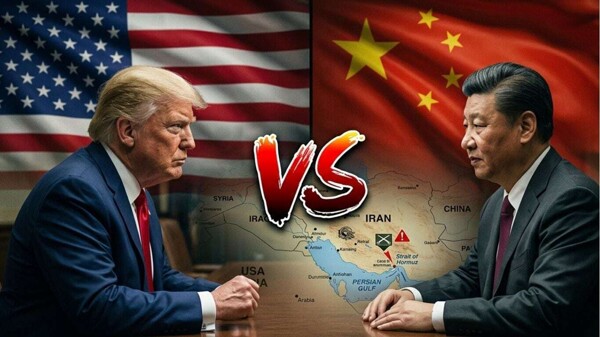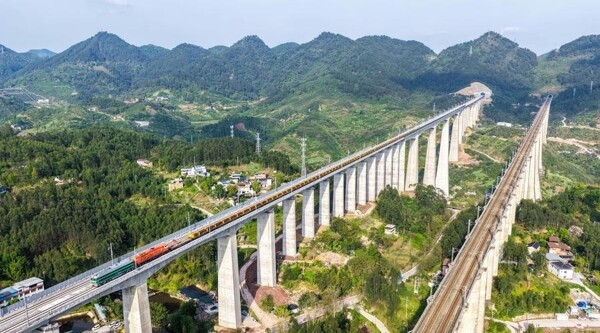
Every time tensions escalate around the Strait of Hormuz, markets turn to major oil importers, with China at the forefront. The striking paradox is that Beijing imports through this vital passage more oil than India, Japan, and South Korea combined, yet we do not see emergency campaigns to reduce consumption or public calls for electricity conservation. Why? Because China has chosen a different path: building a 'shock-resistant' economic and energy system, rather than just managing crises when they occur. China has set ambitious goals for the transition to electric vehicles, targeting 20% of annual sales. Instead of relying on a limited number of suppliers, China has expanded its import basket to include multiple countries like Russia, Iran, and others. This diversification mitigates the impact of any geopolitical disruption affecting a specific supplier or route. China has also worked on diversifying its domestic energy mix. At the network level, it has adopted a multi-fuel policy, combining traditional fuels (oil and gas), coal (despite its environmental challenges, it remains a pillar of reliability), and solar and renewable energy. This balance gives the system operational flexibility; if one source falters, another can compensate without causing a major shock to the economy or consumers. China has also focused on boosting domestic production and building alternative land-based infrastructure. It produces about 4.3 million barrels of oil per day, a significant pillar for securing minimum needs. Additionally, China has heavily invested in pipelines connecting it to supply regions in Central Asia and Russia, reducing its dependence on vulnerable sea lanes. Finally, when you combine all these elements—reducing demand through transport electrification, diversifying suppliers, energy source variety, domestic production, and infrastructure—a clear model emerges: China does not wait for a crisis to react; it builds a system that limits the crisis's impact beforehand. This is the philosophy: crisis management means reacting. The most important lesson is not the size of the import, but how to design the economy to absorb shocks by reducing demand at the source, diversifying supply, and building logistical alternatives. This shift was not just an industrial achievement but a strategic tool to cut demand for liquid fuel. And what is the result? The amount of oil China saved through transport electrification is now, in strategic terms, approaching the volume of its imports from major countries like Saudi Arabia. It is a profound strategic approach that turns crises from an existential threat into a test that can be overcome. Building a shock-resistant system means reducing the need to react in the first place. Despite China's large theoretical exposure to the Strait of Hormuz, its accumulated policies have made this exposure less impactful in practice. That is, reducing domestic demand has become a 'virtual supply' that cuts the need for risky sea shipments. Another key point is that China did not stop at reducing demand; it also re-engineered the supply side.