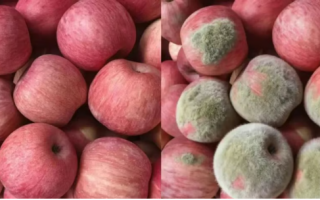
Chinese online store owners are complaining about a new type of scam that is gaining popularity. Consumers, trying to get a refund, are sending them images of products that have been damaged using generative AI. Among the stories were cases where people received fruit and then asked the AI to make it look rotten in a photo. One seller of electric toothbrushes said a buyer sent a picture of a worn-out toothbrush and demanded a refund. "They come to me with problems that defy common sense," he said. An employee at a clothing store also said that a customer demanded a full refund, claiming that the one-piece dress she received had very frayed threads at the collar, and she sent an AI-generated image. However, the store noticed strange lighting at the collar compared to the rest of the dress and clear signs of AI glitches on the edges of the garment. In another case, a seller of ceramic cups received a request for a full refund, with the buyer sending a photo of the cup with spiderweb-like cracks. The seller was surprised because all his products were packed securely. When the seller asked for a video, the buyer withdrew their request. In response to the growing AI-based fraud, e-commerce platforms abolished the "refund only" option in April. Taobao and Tmall Group, owned by Alibaba Group, the owner of the South China Morning Post, have also created a system that assesses buyers' credit based on their purchase history, refund history, and seller reviews. An expert told Jimian News: "Platforms need to invest more in developing accurate detection systems and continuously update them with new product images, which is a major challenge." Liu Dongzhen from Shaanxi Chongzhi Law Firm said that consumers using AI-generated images to get refunds could constitute fraud. Sellers are also using AI detectors to verify photos, and one of them estimated a 92% probability that the image was artificially generated. Many online stores in China are harassed by people who look for defects in cheap products they buy online and then demand a full refund without returning the products. Some sellers revealed that e-commerce platform policies usually favor buyers and approve refund requests even if they are unreasonable. Meanwhile, some sellers are also using AI to enhance their product images. One of them told the Chinese news agency Jimian News: "Some stores use AI to create 3D models, backgrounds, and even fake products."