According to businessmen, the industry needs a minimum capacity utilization rate of 80%, and today in Brazil it is 65%.
“Following the tariff war led by Trump, the Asian giant was left with production capacity that cannot find a market and seeks to sell at lower prices. But this push to expand production beyond what the market can absorb inevitably leads to overproduction and crises.”
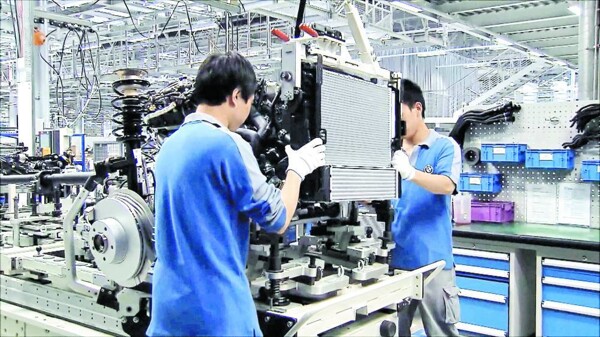
In this entry, I update the data on overproduction in 2024 and 2025, price wars and falling profitability, in the steel, automotive, concrete, solar panel, and chemical and petrochemical industries in China and their global repercussions.
And even if a financial crisis does not erupt, overproduction can persist in entire branches for long periods, leading to weak growth and persistent unemployment.
(Esteban Lafuente, “Steel entrepreneurs in the region demand defensive measures against China”, La Nación, 11/11/2025).
Automotive
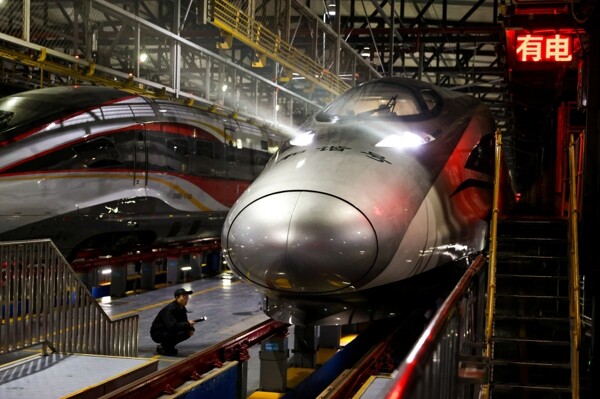
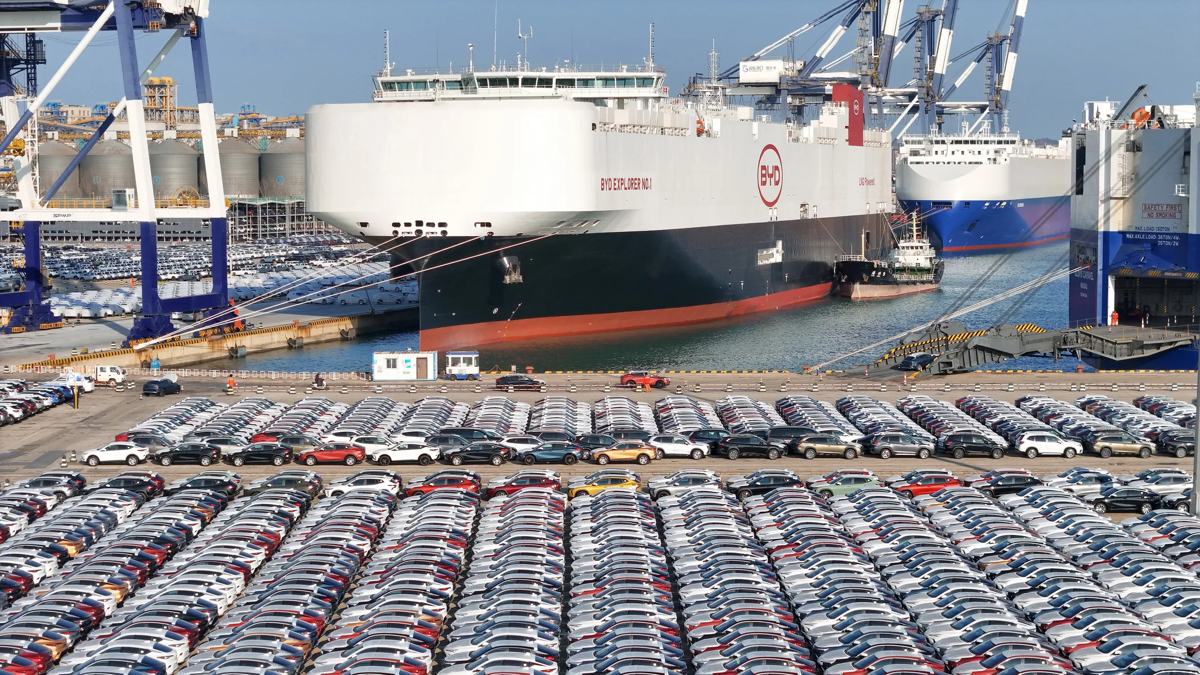
For two years now, a price war has been developing in the Chinese car market, “caused by chronic excess capacity” (The Economist reproduced in La Nación 27/09/2025). Today, about 130 local firms compete for sales, although few manufacture cars in large quantities. There is downward pressure on prices.
“The price war between steel producers in China has generated a crisis in the global industry. Thus, a point is reached where markets become saturated, prices, profits and investment fall, demand and output fall. The consequence of excess capacity has been a fierce price war. It is estimated, according to the sector, that by the end of 2027, if the current projection continues, there will be idle capacity in the global steel industry of 721 million tons, which condition global flows. Global producers (mostly Chinese) can produce more than double the panels that the world will buy in 2025. Although sales continue to grow (projected to grow 7% this year, to around 24 million vehicles), profits have shrunk or turned into losses.”
In the first five months of 2025, total net profits in the sector (including those of foreign manufacturers) fell 12% year-on-year to 1.78 trillion yuan ($24.5 billion), according to the National Bureau of Statistics. In Latin America, producers are also asking for protectionist measures. The market is burdened by persistent oversupply and weak demand growth.
Steel “The price war between steel producers in China has generated a crisis in the global industry. Thus, a point is reached where markets become saturated, prices, profits and investment fall, demand and output fall. The consequence of excess capacity has been a fierce price war. It is estimated, according to the sector, that by the end of 2027, if the current projection continues, there will be idle capacity in the global steel industry of 721 million tons, which condition global flows.”
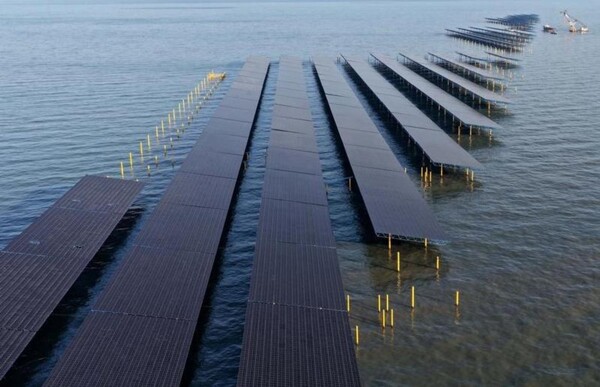
Global producers (mostly Chinese) can produce more than double the panels that the world will buy in 2025.
Solar Panels China's Ministry of Industry and Information Technology is pressuring major manufacturers to take strong action to end the disorderly competition through price wars and to promote the orderly reduction of aging overcapacity. And yet, they continue to borrow from state banks to build more factories, which causes a huge excess of capacity.
China, which accounts for 56% of world steel production, is under international pressure to regulate its prices, which has led to unfair competition and the implementation of protective measures.”
Petrochemicals “The petrochemical industry is at a critical juncture, experiencing one of the most challenging periods in its recent history. Significant downward pressure has been exerted on industry margins (profitability) and has fundamentally altered the competitive landscape,” says a Wood Mackenzie report.
The report notes that producers with old or non-integrated plants face a high risk of closure.
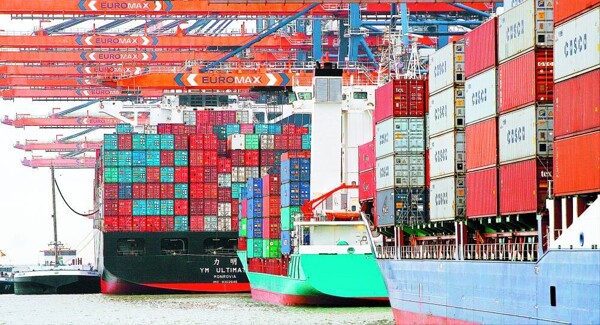
Global Impact Overproduction is flooding the world market. China no longer absorbs the surpluses of global production and is even emerging as an exporter of some products. This has led to a reduction in demand for the transport of raw materials and finished goods, leading to a fall in global freight rates.
In conclusion, overproduction is the result of the struggle—a veritable war to the death—of capitals to assert themselves. This idea expresses the contradiction between the increasingly social nature of production and capitalist appropriation.
“Competition imposes on each individual capitalist, as coercive external laws, the immanent laws of the capitalist mode of production. It compels him to constantly expand his capital in order to preserve it, and it is not possible to expand it otherwise than through progressive accumulation” (pp. 731-2, Vol. 1, Capital).