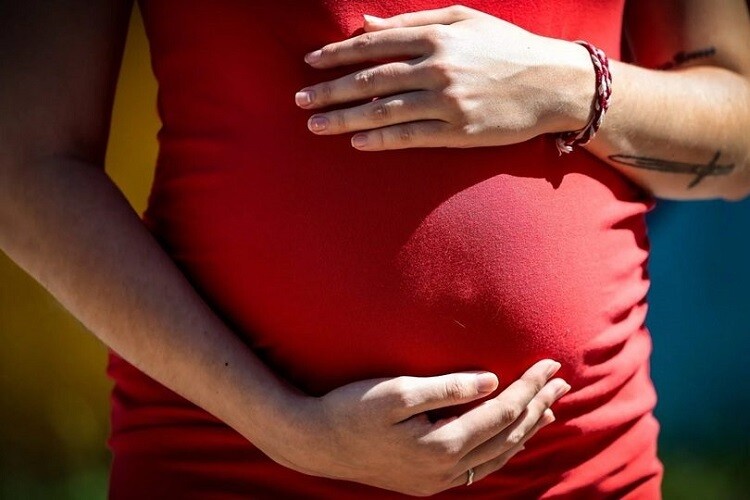
Chinese authorities in the southeastern city of Guangzhou have dismantled two networks dedicated to the cross-border smuggling of blood samples from pregnant women.
An illicit operation with ramifications in 23 provinces and a volume of biological material exceeding 100,000 samples. According to information provided by the Guangzhou Customs, cited by the local press on Wednesday, the investigation recently culminated in a coordinated operation in Guangzhou, Foshan, and Shenzhen, which resulted in the detention of 26 suspects. Nine of them have been formally arrested after approval from the prosecutor's office, while the case continues under investigation.
Preliminary investigations indicate that the dismantled groups would have obtained illegal profits exceeding 30 million yuan ($4.2 million, 3.6 million euros) through the clandestine export of blood samples from pregnant women. This material contains genetic information, and its export is subject to strict administrative control in China.
The investigation dates back to 2022, when anti-smuggling, risk control, and customs inspection departments began to monitor cases of irregular export of biological materials detected at various border points.
Analysis of information obtained on the internet made it possible to identify groups that used digital platforms to offer services such as genetic screening or fetal gender determination, prohibited by Chinese regulations when there is no medical need.
According to the results of the investigation, the networks offered these services through social media ads, with prices usually around 2,500 yuan ($354, 302 euros). After agreeing on payment, women were instructed to obtain the blood sample on their own, turning to acquaintances or certain medical services available on online health platforms.
Authorities, cited by local media, described a structured process that included recruiting clients online, collecting the samples through courier shipments, their temporary storage, and finally, their illegal transport out of the country.
To evade border controls, the suspects hid the test tubes attached to their bodies or in specially prepared compartments in their luggage.
During the investigation, cases of leakage and breakage of tubes were detected, and some samples contained infectious diseases, so the researchers warned of an increased risk of pathogen transmission through this smuggling.