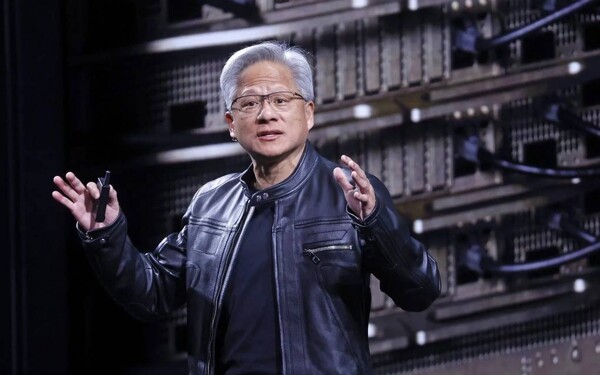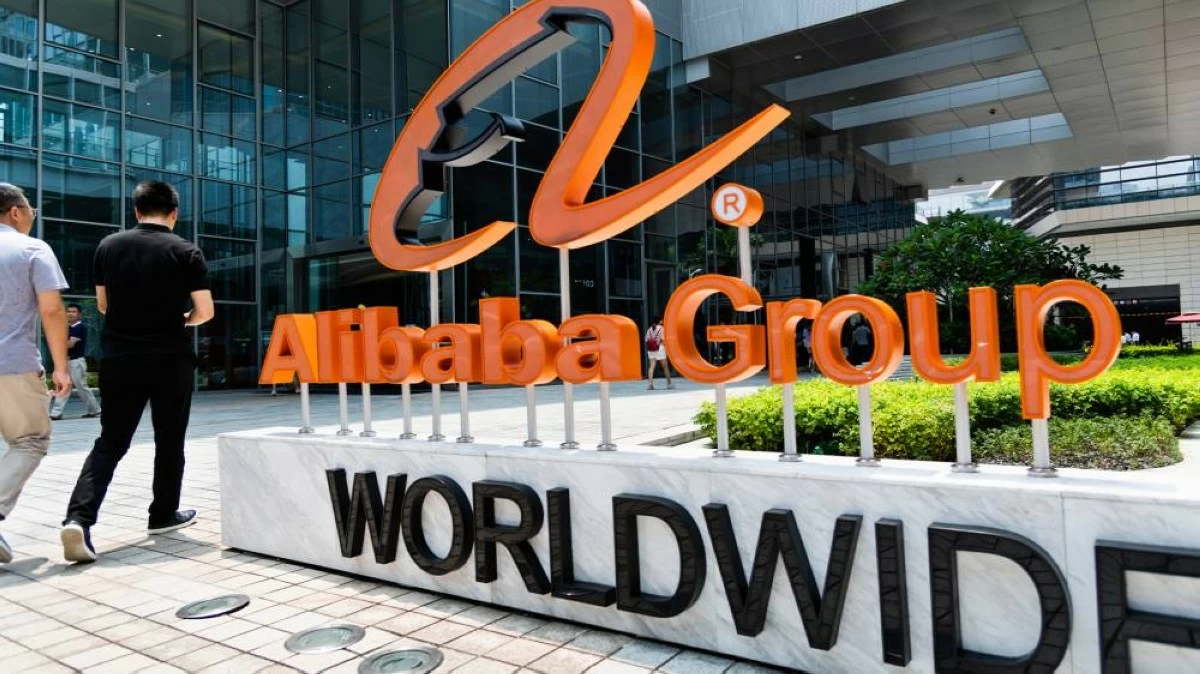
The Chinese e-commerce and technology giant, Alibaba Group Holding Ltd., has announced a significant price hike for its artificial intelligence and data storage services, with increases reaching up to 34%. The company cited robust growth in demand and escalating costs of developing the necessary underlying infrastructure as the primary drivers for this move. The price adjustments specifically target Alibaba’s AI computing chips under its T-Head AI division. This decision aligns Alibaba with other global tech titans, such as Google and Tencent, who are all under increasing pressure to prove that massive AI investments can generate substantial returns. An industry-wide shift toward monetization is gaining momentum. These strategic hikes follow a comprehensive restructuring launched by Alibaba this month, aimed at accelerating the monetization of its AI portfolio, which includes the recently launched Wukong automated AI service for enterprises. The market reacted immediately, with Alibaba's shares climbing as much as 3.2% in Hong Kong trading on Wednesday. This trend was further underscored just hours before Alibaba’s announcement, when Nvidia CEO Jensen Huang confirmed the production of H200 AI processors specifically for Chinese customers, signaling an insatiable demand for AI computing power in the Asian market. Prices for specialized hardware, such as the Xuanwu 810 AI chips, will rise by a range of 5% to 34%. Last week, Tencent announced it would quadruple the prices for its Hunyuan core models on its AI agent development platform. Additionally, the company confirmed a 30% increase in the cost of its Cloud Parallel File Storage service. Tencent has also ended free trials for third-party models from startups like Zhipu and Moonshot on its cloud service.