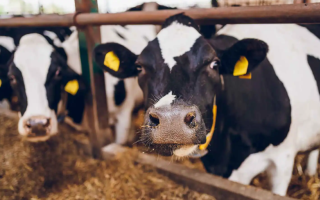
In an unexpected twist in global commodity markets, cow gallstones — solid deposits from digestive fluids — have become one of the most valuable byproducts of the meat industry. Driven by growing demand in China and Hong Kong, these stones, known as "Niu Huang," are literally worth more than their weight in gold, according to the "Audit Central" website. For thousands of years, cow gallstones have been a staple in traditional Chinese medicine; they are a key ingredient in treatments like "Angong Niuhuang Wan," used to treat strokes, high blood pressure, and severe neurological conditions. With rising stroke rates in China, which reports indicate are three times higher than in the United States, the demand for these natural deposits has peaked. Additionally, slaughterhouse workers have fueled a thriving black market by smuggling the stones out of processing facilities. To alleviate the shortage, Chinese researchers have developed "farmed" gallstones. While these lab-grown alternatives offer similar neuroprotective effects and help stabilize prices, natural stones remain the "gold standard" in the industry. In a bizarre turn of events, demand has reportedly extended to human gallstones as well; individual human stones are being advertised on Russian online platforms for up to $1,270 each, depending on their size and quality. This supply-demand gap has triggered a "gallstone fever" in major cattle-raising regions like Brazil, Australia, and Texas. The situation has taken a criminal turn in places like São Paulo, Brazil, where armed robberies no longer target cattle themselves, but the gallstones inside them. In 2025, prices skyrocketed to $5,800 per ounce, nearly double the price of gold at the time. This massive surge in value is due to extreme scarcity; stones typically form in older cattle, but the efficiency of modern agriculture favors slaughtering animals at a young age.