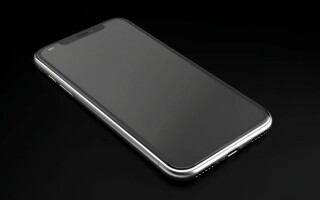
China has unveiled the world's first smartphone with a fully 'self-executing' artificial intelligence, a major leap forward in the global AI race. The prototype was developed by the telecommunications giant ZTE in collaboration with ByteDance, the owner of TikTok. The new phone, named the Nubia M153, features a 'smart agent' built directly into the operating system, not just a voice assistant within apps. This means the phone can use the screen, navigate between apps, tap, type, make calls, and execute multi-step tasks in a way that fully mimics a human. Entrepreneur Taylor Ogan showcased the phone on the X platform, explaining that the device runs on a customized version of Android integrated with ByteDance's Doubao AI model, which is used by over 175 million people within China. Ogan clarified that the AI doesn't just understand commands but has full control over the phone's graphical interface, allowing it to open and download apps, tap and type on the screen, make calls, process payments, and accomplish complex tasks without user intervention. In one demonstration, Ogan asked the phone to find someone to stand in for him in a waiting queue—a service available through freelance apps in China. The AI automatically selected the appropriate app, filled in the data, set up the task, and displayed the final confirmation screen, even though the user had no idea which app should have been used. This step is a significant leap compared to the current smart assistants in phones from companies like Samsung and Apple, whose capabilities remain confined to specific apps and require user permission. In contrast, the ZTE and ByteDance agent operates freely throughout the phone's interface just like a human user. In another experiment, Ogan took a picture of a hotel entrance and asked the phone to book a room. The AI recognized the hotel from the image, set the booking date, reviewed the pet policy, opened the Chinese Ctrip booking app, and automatically executed all the steps. Ogan also asked the phone to book a robot taxi, and the AI, using location data, chose the suitable app—Baidu Apollo, specified the meeting point and destination. Even when Ogan changed the pickup location mid-journey, the AI immediately adjusted the route within the app and the car itself. In another test on the Meituan platform, Ogan asked the phone to buy two drinks. The AI completed the purchase and payment, organized delivery via a drone, and even answered an automated confirmation call from the Meituan system, conversing with another 'robot' without any human intervention. Experts confirm that this phone represents a radical shift in the concept of smartphone usage, where users will no longer need to understand apps, menus, or operating mechanisms—it will be enough to simply state what they want, and the phone will handle the full execution.